It Is Normal to Feel Nervous Before the First Visit
Deciding to bring your child to therapy is a caring step, and it takes courage. Many parents feel unsure or a little anxious before that first appointment. Please know that those feelings are common and completely understandable.
Your child may feel nervous too, and that is okay. A first session is gentle and low key. No one expects your child to open up right away or to solve anything in a single visit.
Families across Sherman Oaks come to us with the very same questions you are holding right now. Our goal is to help your child feel safe, seen, and supported from the first moment they walk in.
Think of the first visit as a friendly introduction. It is a chance for your child to get comfortable and for you to see how the process works. There is nothing you need to prepare or perform.
You know your child better than anyone else does. That knowledge is welcome here, and it shapes how we care for them. From your first phone call to the end of the first visit, you are a partner in the process.
How to Talk With Your Child About Going
Children take their cues from the adults they trust. When you talk about therapy in a calm, positive way, your child is more likely to feel at ease. Keep your explanation simple and honest.
For a young child, you might say they are going to meet a friendly grown up who helps kids with big feelings. For an older child or teen, you can describe it as a private space to talk things through with someone who listens.
Try not to frame the visit as a punishment or as a sign that something is wrong with them. Let your child ask questions, and answer them plainly. You can also reassure them that you will be close by.
If your child has seen a doctor before, you can compare the visit to that, only with more talking and playing and no shots. Small comparisons to things they already know can make the idea feel familiar and safe.
Keep your language warm and low pressure. You do not need every answer, and it is fine to say you will find out together. What matters most is that your child feels supported, not tested.
Simple Ways to Prepare for the Day
A few small steps can make the first visit smoother. Keep the day calm and unhurried, without a packed schedule around the appointment. A rested and fed child tends to feel more settled and open.
Let your child know a little about what to expect. You can mention they will meet a caring person, see a friendly room, and maybe play or draw. Knowing the basics helps ease the fear of the unknown.
Your child is welcome to bring a comfort item, like a favorite stuffed animal or a small toy. Familiar things can make a new space feel safer. There is no right or wrong choice here.
If you are still choosing which kind of support fits, our therapy services for children and families can help point you in the right direction. A quick conversation is often enough to find a starting place.
As the parent, it helps to arrive a little early and bring any intake paperwork you were given. That extra time lets everyone settle in. If you forget something, we will sort it out together.
What the First Session Actually Looks Like
The first appointment is often called an intake session. It is mostly about getting to know your child and your family. There are no tests to pass and no wrong answers.
For younger children, this session is usually play based. Play is how kids naturally share what they think and feel. Your child might draw, use toys, or explore the room while the clinician watches and gently joins in.
Older children and teens may spend more of the time talking. The clinician sets the pace based on what feels comfortable for your child. Our child therapy approach meets each child where they are, without pushing.
You are welcome to be part of the session in the way that fits your child's age. For very young children, a parent often stays in the room. For older kids, a bit of one on one time can help them feel free to share.
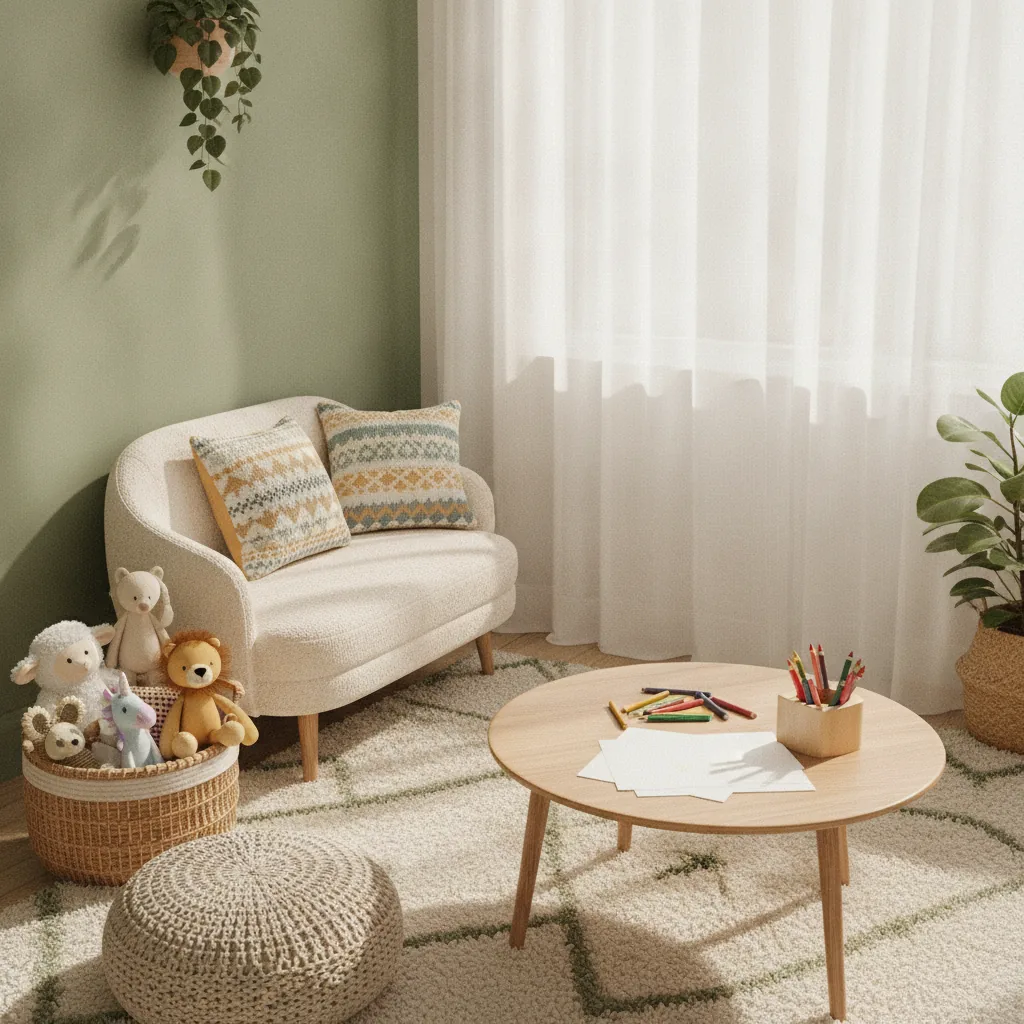
The room is warm and kid friendly. Your child is free to move around, take short breaks, and simply be themselves. The first visit is really about building connection, not producing results.
Getting to Know Your Child and Family
A meaningful part of the first session includes time with you as the parent. The clinician will ask about your child's history, strengths, daily routines, and the concerns that brought you in. This helps build a full and caring picture.
You might be asked about sleep, school, friendships, and how your family spends time together. There are no judgments in this room. Every family is different, and honest answers simply help us support your child better.
You are the expert on your own child, and your observations guide the work. Share what you notice at home, even the small things. Those details often help the clinician connect the dots more quickly.
You will also get to meet the person who will work with your child going forward. Getting to know the clinicians on our team can ease your mind and help you feel confident about the fit.
If you have paperwork, questions about scheduling, or worries you have not put into words yet, the first visit is a good time to bring them up. We would rather you ask than carry a concern home alone.
No Pressure, and a Plan You Build Together
One of the most common worries is that a child will be pushed to share everything at once. That does not happen here. Trust is built slowly, and your child sets the pace.
Some children warm up quickly and chat from the start. Others need a few sessions before they feel ready to open up. Both paths are normal, and neither one is a problem. Give your child room to feel however they feel, and let us handle the rest.
Sometimes parents worry they will be blamed for their child's struggles. That is not our approach at all. We see you as part of the solution, and we work alongside you with respect and warmth.
By the end of the first visit, or soon after, the clinician will talk with you about next steps. Together you will shape a simple plan that fits your child's needs and your family's goals. Our whole child way of working keeps you involved at every step.
Most families come in about once a week at first, though the schedule stays flexible. Life gets busy, and we will work around your calendar. Consistency helps, and so does a little grace when a week does not go as planned.
That plan is never fixed in stone. As your child grows and shares more, the approach can shift with them. We adjust the plan together, at a pace that feels right for your family.
Ready to Take the First Step With Your Child?
A first session is calm, gentle, and built around your child's comfort. Whether your little one needs a play based start or your teen wants a private space to talk, we are here to help. If you still feel nervous, that is completely okay, and we will walk you through every part of the process.
Call us at (747) 999-2112 to ask questions or set up a time that works for your family. When you are ready, book a first session and we will take it from there.