Why Friendships Come Harder for Some Kids
Learning how to make and keep friends is one of the biggest jobs of childhood. For many kids, it does not come naturally at first. Making eye contact, joining a game, or reading a friend's mood can feel confusing. If you have watched your child struggle in these moments, please know you are not alone.
This is far more common than most parents realize. It does not mean something is wrong with your child. Some children pick up social rules simply by watching the people around them. Other children need those same rules taught in a clear, patient, and gentle way.
Both paths are normal parts of growing up. Recognizing that your child learns differently is a caring observation, not a judgment. Our goal is never to fix a child. It is to hand a child the tools that help them feel steady and confident around other people.
Many parents wait a while before saying anything out loud. They wonder if they are overthinking it or if the challenge will simply fade. Those feelings are understandable and very human.
The signs below can help you notice when a little extra support might make daily life feel easier for everyone at home. None of these signs mean your child is behind, and none of them define who your child will become.
Signs You Might Notice at School and at Play
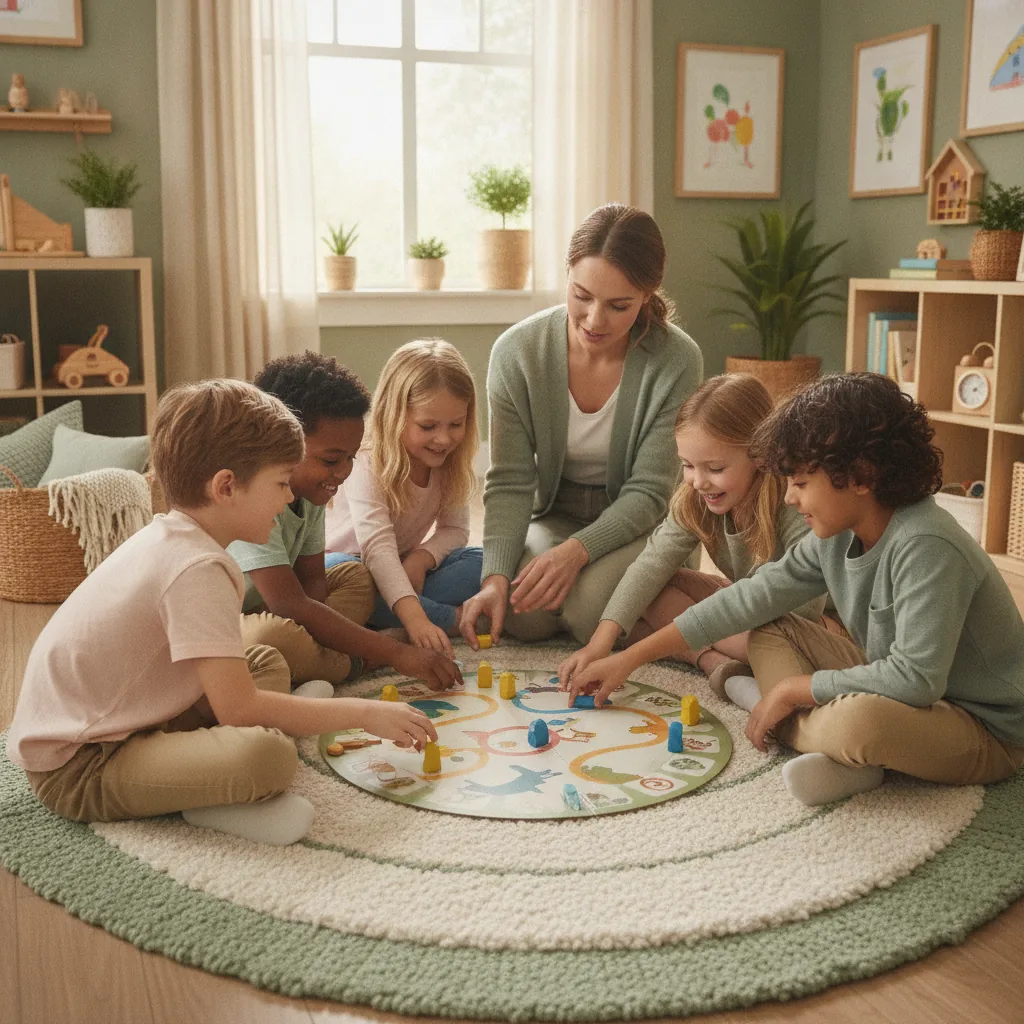
Some signs show up most clearly when your child is around other children. You might notice trouble taking turns during a board game or a group activity. Your child may hover at the edge of a group, wanting to join but unsure how. Friendships might start quickly yet feel hard to keep going over time.
You may also see that certain social cues slip by unnoticed. A friend's bored expression or crossed arms can go unread. Your child might talk at length about a favorite subject without sensing that the other person has drifted away. These are learning gaps, not bad behavior, and they respond well to gentle teaching.
Teachers often mention these patterns before parents do. When school feedback lines up with what you already see at home, it can help to talk with a caring clinician. Some families begin with individual child therapy so a child can build trust before a group setting feels comfortable. Every child gets to move at a pace that fits who they are.
It also helps to remember that one hard day does not mean much on its own. Every child has rough moments with friends now and then. What matters more is a pattern that shows up week after week across different places. When you see that steady pattern, it is a signal worth gentle attention, not alarm.
Big Feelings About Change and Group Settings
Social challenges often travel alongside big feelings. A sudden change in plans might bring tears or a reaction that seems much larger than the moment. Moving from one activity to the next can feel overwhelming, especially when a child was deeply focused on something they loved.
Group settings can carry their own kind of worry. Birthday parties, noisy classrooms, or team sports may leave a child anxious, quiet, or ready to go home. Some children also take language very literally. A joke, an idiom, or a figure of speech can be confusing, which makes fast group conversation even harder to follow.
Many families across the region notice these same patterns at home and at school. Parents in Studio City and nearby neighborhoods often reach out once these moments start shaping everyday routines. Spotting the pattern early is a gift. It gives your child more time and more room to grow into these skills without any pressure.
How Small, Structured Groups Help
Small, clinician-led groups give children a safe place to practice the very skills that feel hard. With only a few kids and a trained guide, every child receives gentle coaching in real time. Big skills like greeting a friend, sharing, and reading facial expressions get broken into simple, doable steps.
Our autism and social skills programs are designed for children with autism and related differences. Groups are kept small on purpose, so no child feels lost in a crowd. A clinician models each skill first, then supports kids as they try it with peers who are working toward the same goals.
Practicing in a group feels very different from practicing at home with a parent. Children get to rehearse real friendships with other children, and that is where lasting growth tends to happen. Over time, many kids begin carrying their new skills into the classroom, the playground, and family gatherings. Small wins have a way of adding up in a big way.
Groups also give parents a chance to breathe. You get to watch your child try, stumble, and try again in a place built for exactly that. Many families tell us their child looks forward to group time. That sense of belonging is often the first sign that things are turning a corner.
Support That Fits the Whole Child
Social skills rarely stand on their own. A child who struggles to join a conversation may also be working through speech, motor, or sensory needs. Looking at the whole child helps us meet the real need instead of only the behavior on the surface.
For many kids, speech, occupational, and art therapy support the same goals from a different direction. Speech therapy can strengthen back-and-forth conversation. Occupational therapy can build the body awareness and coordination that make group play smoother. Art therapy offers quieter children a comfortable way to share feelings they cannot yet put into words.
When these supports work together, progress usually feels calmer and steadier for the whole family. A child never has to pick just one path. Different kinds of help can gently reinforce one another, so each small step supports the next one. We build the plan around your child, and we adjust it as they grow.
How a Calm Body Supports Social Growth
Before a child can focus on friendship, they often need to feel calm and settled in their body. A dysregulated child finds turn-taking, waiting, and listening very hard to manage. Helping kids regulate is a real part of helping them connect with others.
Our sensory room and children's gym give kids a space to move, reset, and find their calm. Swinging, climbing, and gentle sensory play can help an overwhelmed child return to a steadier state. From that calmer place, practicing social skills suddenly becomes possible.
Many children learn best when they can shift between focused practice and active movement breaks. A regulated body leaves a child far more open to trying something new. This is why we treat regulation and social growth as close partners, not separate tasks. Comfort tends to come first, and real connection follows close behind.
Take the First Gentle Step for Your Child
If the signs in this article sound familiar, a warm and unhurried conversation can help you feel clearer about the next step. Our Sherman Oaks team can talk through friendships, big feelings, and small-group support at a pace that feels right for your family. Call us at (747) 999-2112 or send a note through our contact page to get started. There is no pressure here, only a caring place to begin.